

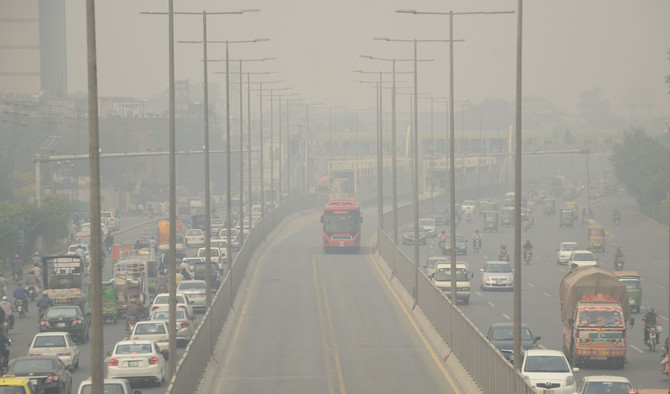
National Times Bureau :- Despite a slight dip in temperatures, air quality across Punjab has deteriorated sharply, raising serious public health concerns. According to the latest report from the Central Pollution Control Board (CPCB), five major cities in the state have recorded Air Quality Index (AQI) levels above 200, crossing into hazardous territory. In response, authorities have issued an Orange Alert.
City-wise Air Quality Status (as of Wednesday 4 PM):
- Mandi Gobindgarh: AQI 293 (Very Poor)
- Ludhiana: AQI 278 (Very Poor)
- Jalandhar: AQI 268 (Very Poor)
- Khanna: AQI 239 (Very Poor)
- Amritsar: AQI 238 (Poor)
Among these, Mandi Gobindgarh emerged as the most polluted city.
Why Air Quality Worsens in Winters
Experts explain that winter weather patterns contribute significantly to air pollution. The formation of a temperature inversion layer traps pollutants close to the ground. With limited vertical air movement, pollutants, smoke, and smog accumulate, creating dense haze in the lower atmosphere. This phenomenon is further exacerbated by calm, cold winds that prevent dispersion.
Relief Only Through Rain
Meteorologists warn that currently, only rainfall can significantly reduce pollution levels. Rain can wash away a large portion of airborne pollutants or trigger chemical reactions that neutralize harmful particles. Until precipitation occurs, authorities caution that the public will continue to face hazardous air quality conditions.
